Reza Pahlavi
Crown Prince of Iran — Advocate for a Secular, Democratic Iran
Who is Reza Pahlavi?
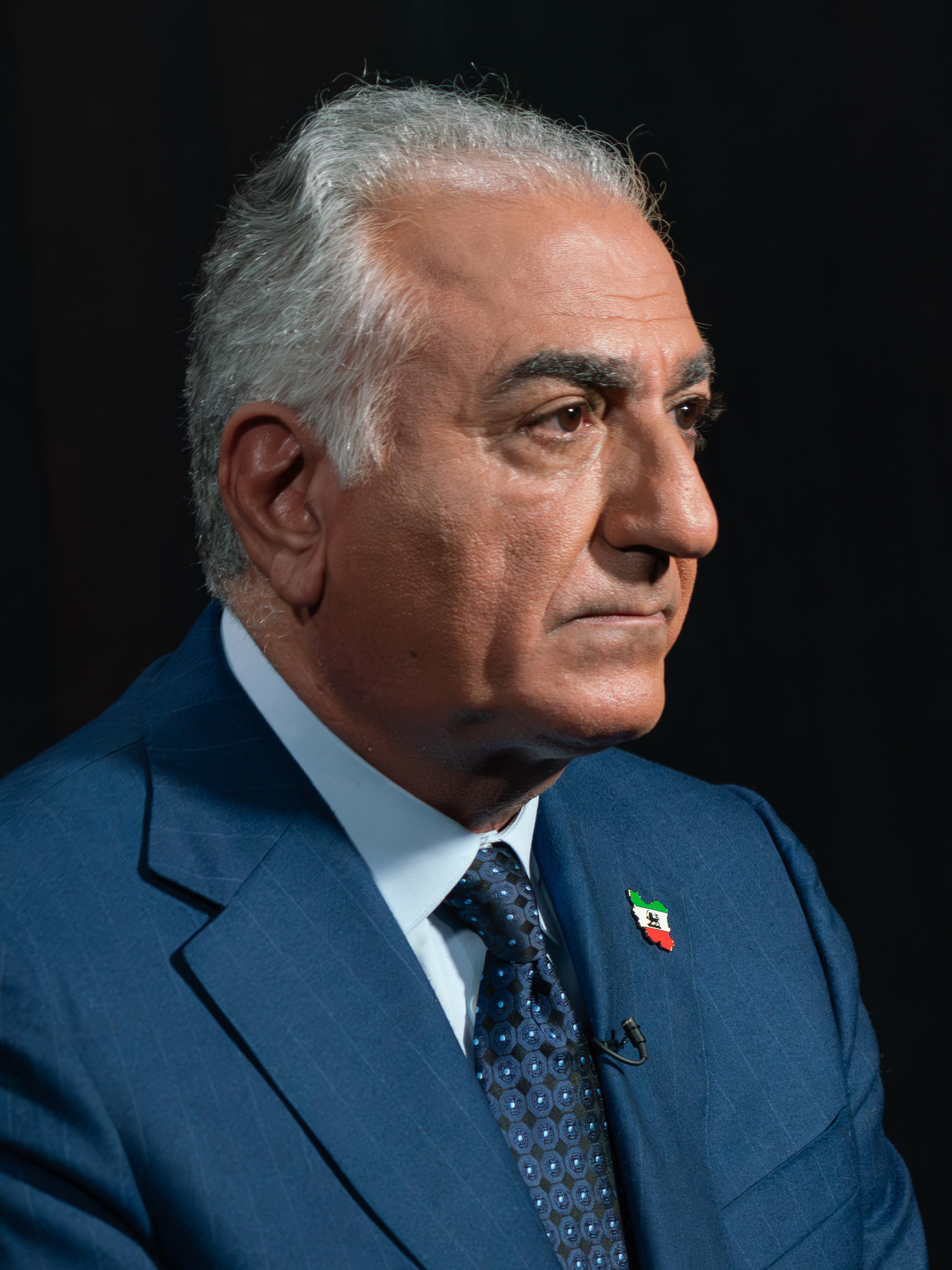
Reza Pahlavi (born October 31, 1960) is the eldest son of Mohammad Reza Shah Pahlavi, the last Shah of Iran, and Empress Farah. Born in Tehran, he left Iran in 1978 to complete his education as a fighter pilot in the United States. Following the 1979 Islamic Revolution, he became the focal point for millions of Iranians who dream of a free, secular, and democratic homeland.
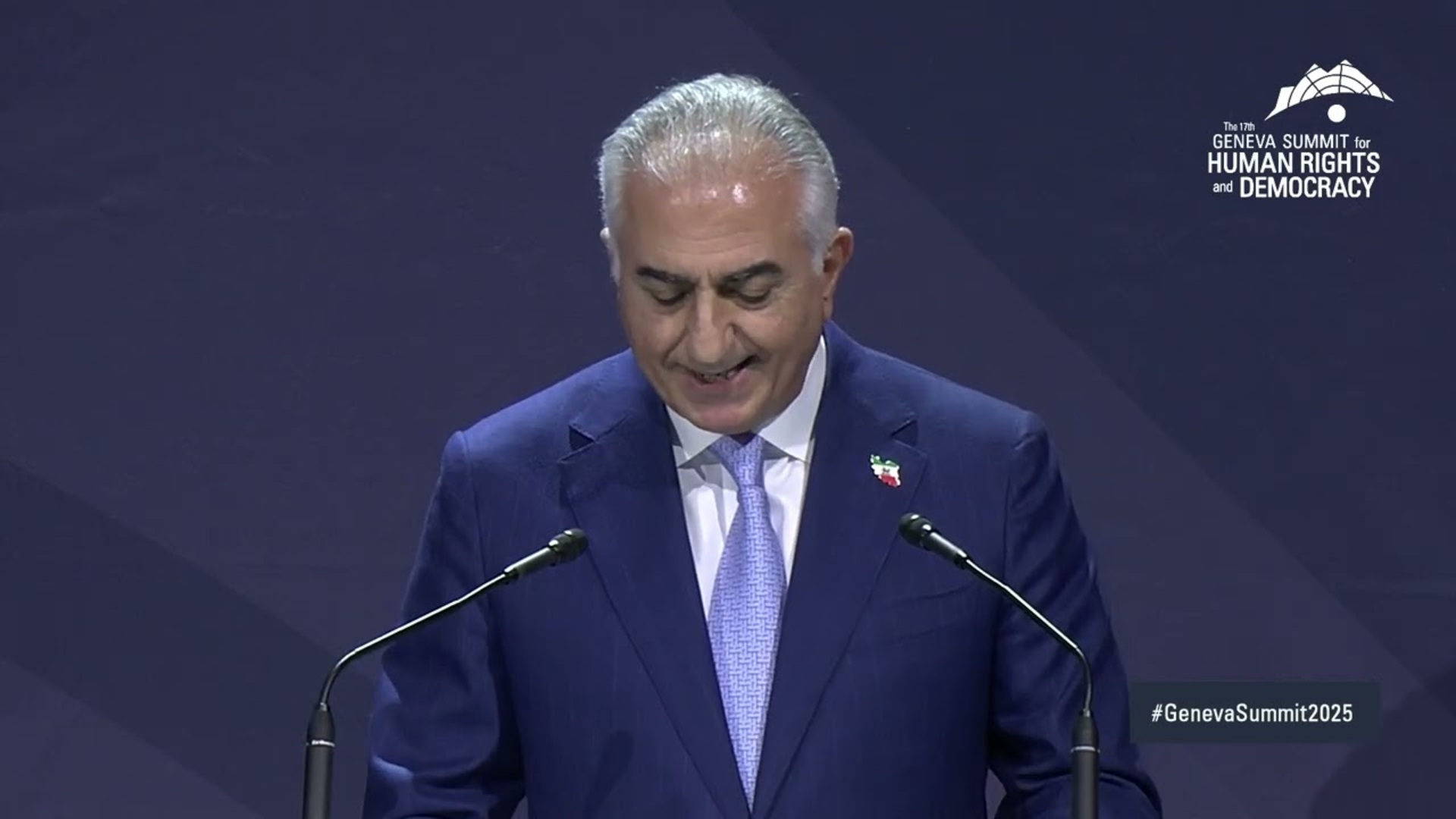
For over four decades, Reza Pahlavi has dedicated his life to advocating for the Iranian people's right to self-determination, human rights, and democratic governance. He has consistently called for a peaceful transition of power through civil disobedience and nonviolent resistance — a strategy rooted in the belief that the Iranian people themselves hold the key to their own liberation.
Unlike many political figures, Pahlavi has repeatedly stated that he does not seek the throne for himself. Instead, he envisions his role as a caretaker during a transitional period, after which the people of Iran would decide their own form of government — whether a constitutional monarchy or a republic — through a free and fair referendum.
He resides in the United States with his wife, Yasmine Pahlavi, and their three daughters: Noor, Iman, and Farah.
His Vision for a Free Iran
Reza Pahlavi's vision rests on five fundamental pillars that would transform Iran and its relationship with the world:
🛡️ Security & Peace — A free Iran would dismantle its nuclear weapons program, cease support for terrorist proxy groups (Hezbollah, Hamas, Houthis), and become a force for regional stability. Iran would partner with its neighbors and the international community to confront terrorism and extremism.
🤝 Diplomacy & Normalization — Iran would open a new chapter of mutual recognition and sovereignty. This includes immediately normalizing relations with the United States and recognizing the State of Israel. Pahlavi envisions expanding the Abraham Accords into "Cyrus Accords" — uniting Iran, Israel, and the Arab world in historic partnership.
⛽ Energy Leadership — With the world's fourth-largest oil reserves and second-largest natural gas reserves, a free Iran would become a reliable, transparent energy supplier, stabilizing global energy markets and reducing dependence on hostile regimes.
🏛️ Transparent Governance — Public institutions would answer to the people, not to ideology or corruption. Iran would adopt international standards, confront money laundering, and dismantle the regime's organized corruption networks that have stolen billions from the Iranian people.
💼 Economic Prosperity — Iran's economy would open to global trade, investment, and innovation, leveraging its highly educated population of 85 million. The goal: transform Iran from an isolated pariah state into a thriving, modern economy.
The Iran Prosperity Project
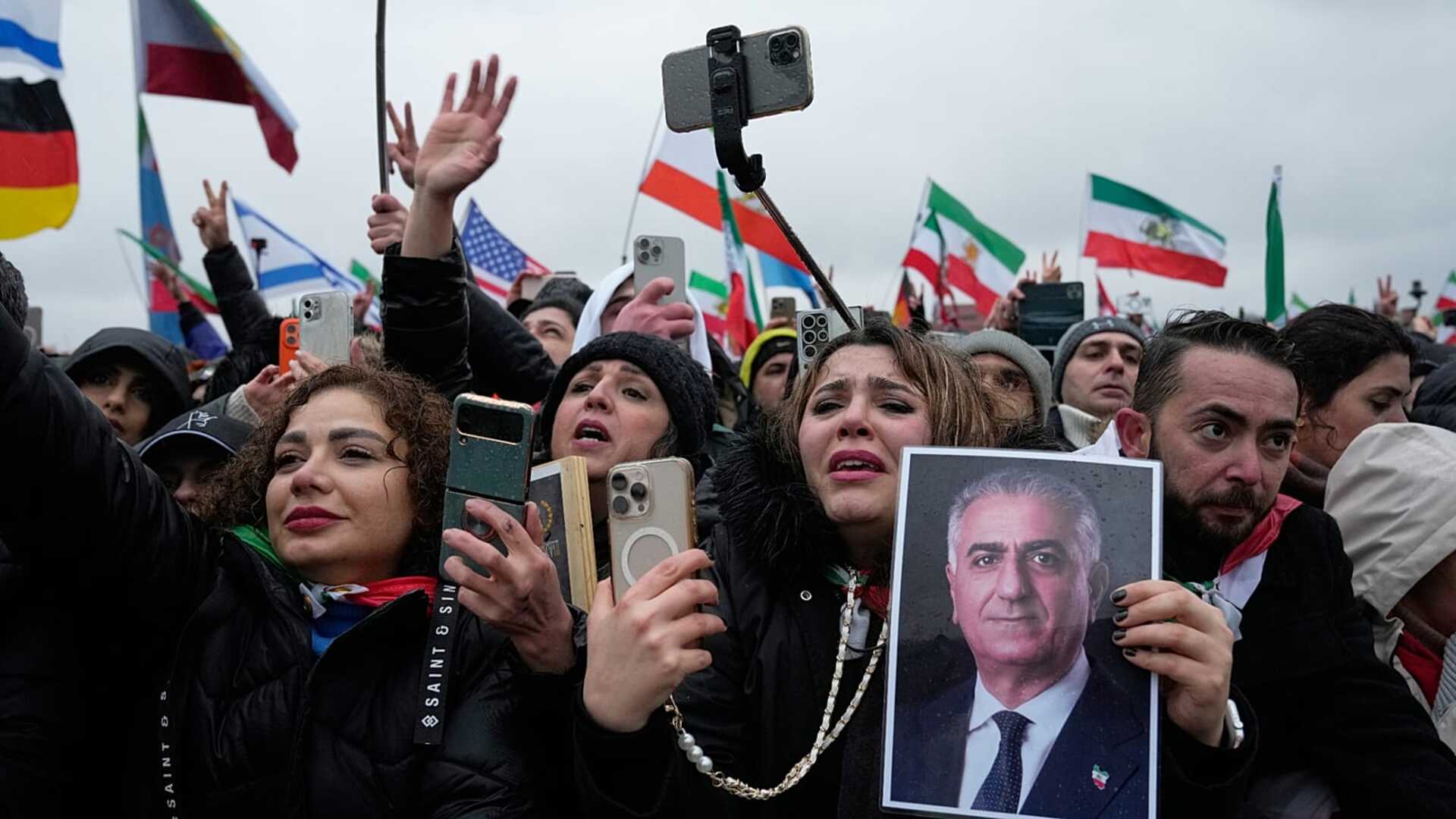
The Iran Prosperity Project (IPP), developed in partnership with the National Union for Democracy in Iran (NUFDI), is a comprehensive roadmap for Iran's transition from theocratic dictatorship to democratic governance. It outlines three critical phases:
📋 Phase 1 — Emergency (First 180 Days)
The Constitution of the Islamic Republic would be abolished. The IRGC, Office of the Supreme Leader, Guardian Council, and Morality Police would be dissolved. A Transitional System — with legislative, executive, and judicial branches — would govern under Pahlavi's leadership as "Leader of the National Uprising." Within four months, a national referendum would let Iranians choose between a parliamentary monarchy or a republic. Both options would enshrine: secularism, rule of law, individual rights (rooted in the Cyrus Cylinder), democracy, separation of powers, judicial independence, and Iran's territorial integrity.
📋 Phase 2 — Stabilization (Months 7-24)
A constituent assembly would draft a new constitution based on the chosen system. After constitutional ratification, free elections would establish a permanent parliament. The transitional period would last 18-24 months.
📋 Phase 3 — Post-Transition
The first elected government takes power. Iran integrates into the global economy, attracts foreign investment, rebuilds civil society, and establishes itself as a stable, open-market democracy. All transitional institutions dissolve, and power passes fully to the elected representatives of the Iranian people.
Connect & Follow
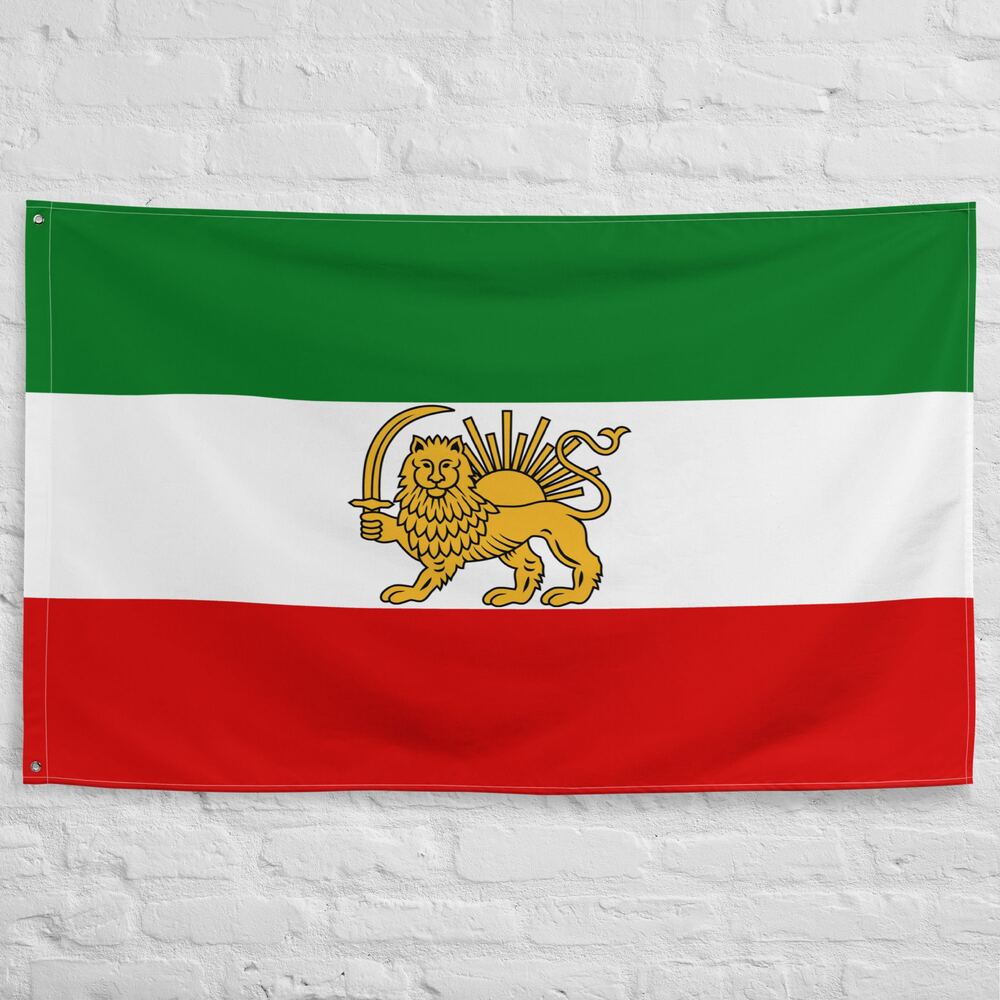
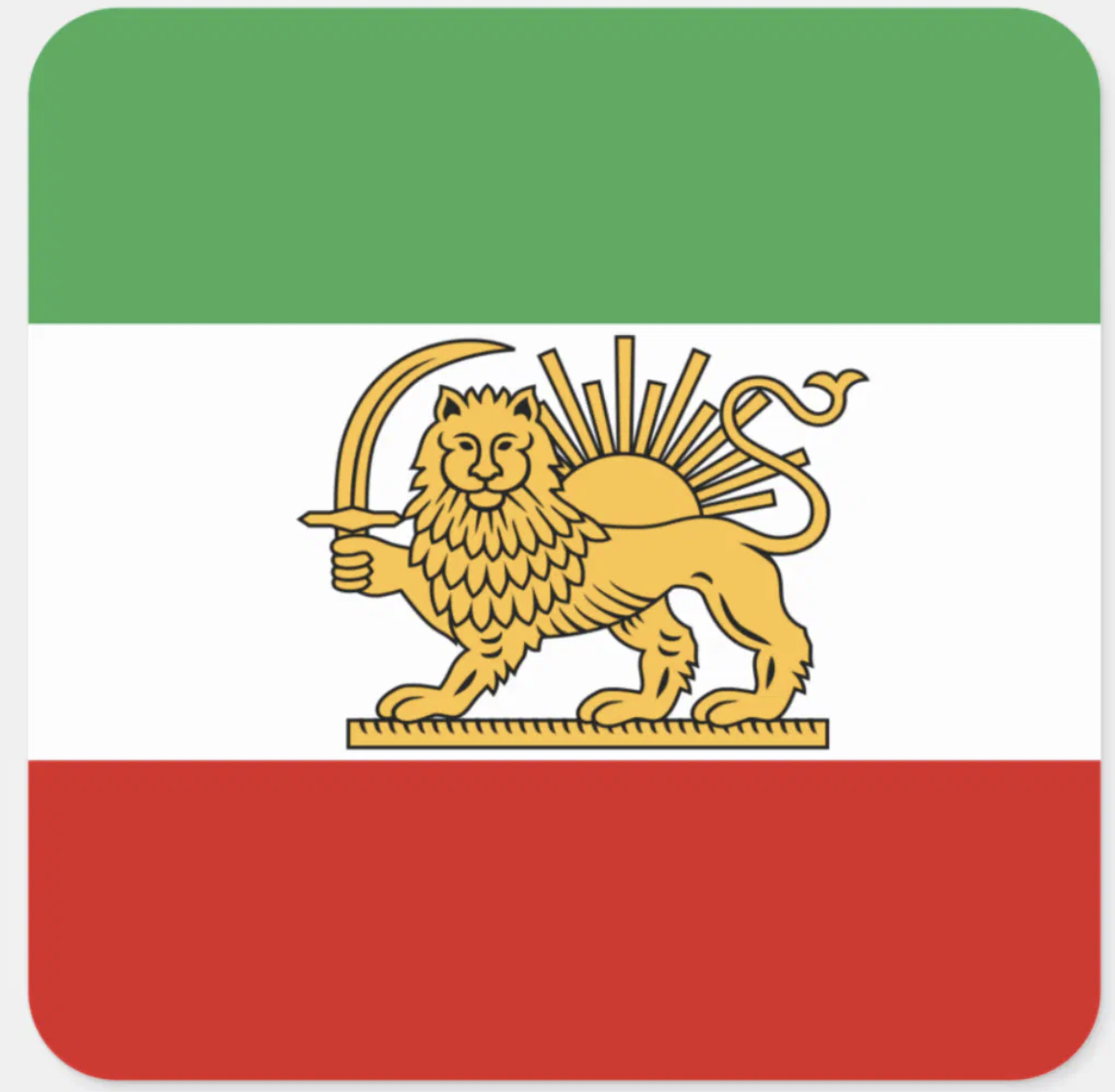
Rise Iran 🦁☀️
The future of Iran belongs to its people. Learn more about the movement for a free, secular, and democratic Iran — and how you can be part of history.